
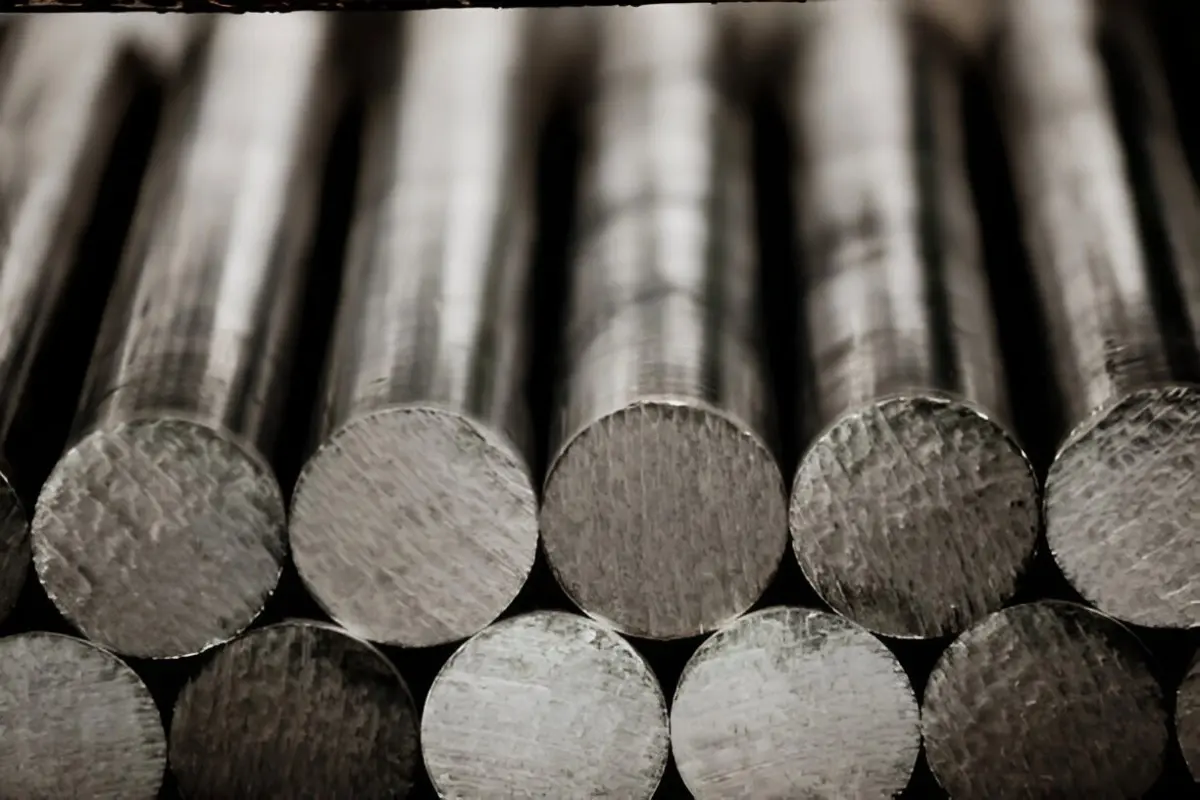
What’s The Difference Between Alloy Steel vs Carbon Steel
Alloy Steel Vs. Carbon Steel Steel is the most widely used material in the manufacturing industry. It is made by mixing iron with other elements through special chemical and physical processes. Because there are many dif
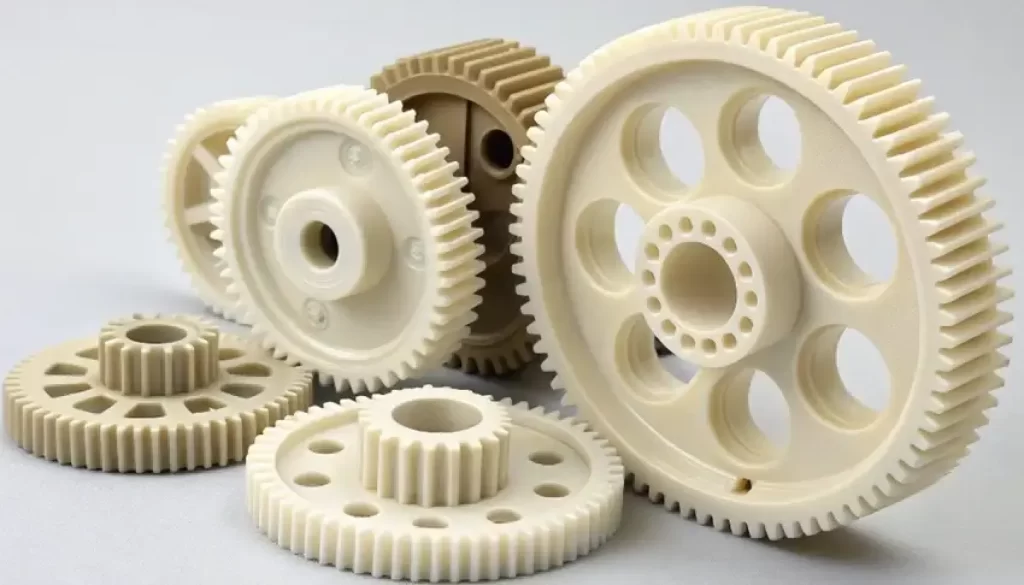
HDPE vs Delrin: Top Characteristics and Differences Discussed
HDPE vs Delrin Choosing from a set of machinable plastics, including HDPE vs Delrin, entails considering performance, durability, availability, and cost, among other factors. Since both Delrin and HDPE machining parts ar
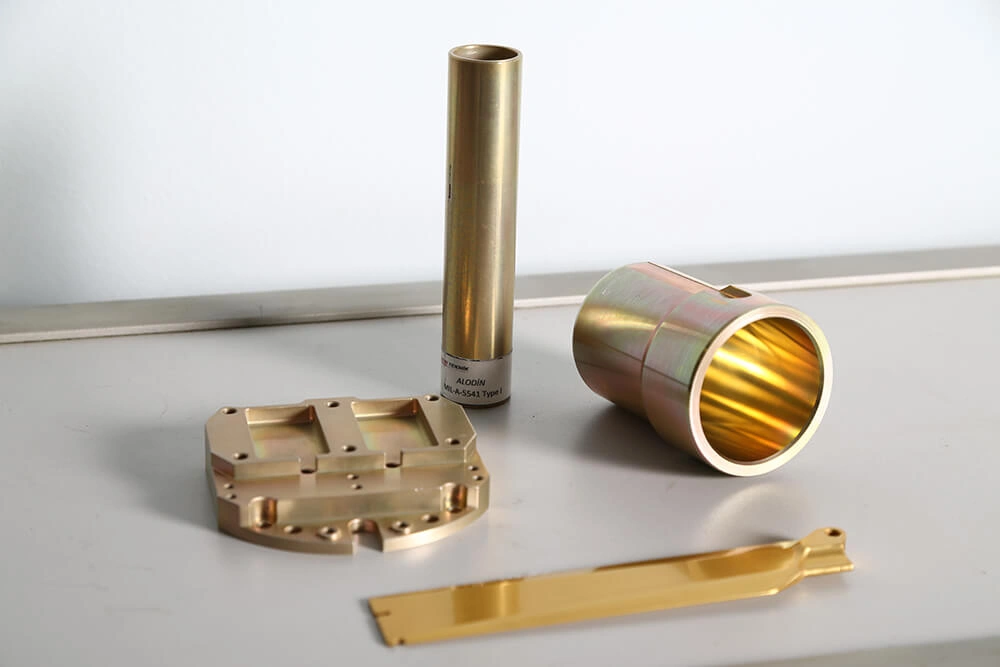
What is Alodine Aluminum? Process, Advantages, and Examples
“Alodine coating treatment is a highly preferred solution for industrial applications that demand durable, lightweight, and electrically conductive aluminum finishes.” Secondary coating or plating in manufactured aluminu
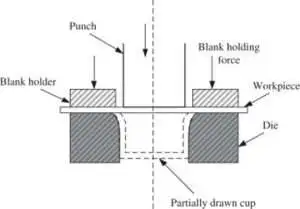
The Basics of Metal Stamping: Understanding the Process and Its Applications
Stamping process Numerous cold-forming processes in the manufacturing industry manipulate the metal sheets into the desired shape at room temperature. The standard cold-forming techniques include stamping, forging, extru
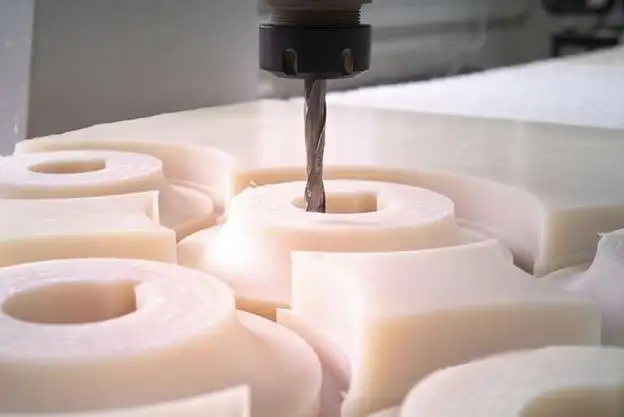
Differences Between Metal and Plastic in CNC Machining
CNC machining is an automated manufacturing process in which pre-programmed computer software controls the movement of factory machinery and tools. The process can manage a range of complex machinery, from grinders and l
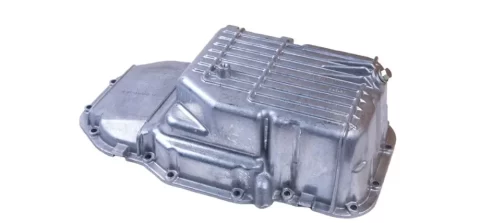
Understanding Shrinkage In Cast Metals
The process of metal casting is important even in modern manufacturing, with the advent of metal 3D printing. Cast metal parts can be CNC machined to near-perfect dimensions, and casting remains a popular method for prod

Glass Transition Temperature of Polymers: A Thorough Guide
Glass transition temperature of polymers A plastic injection molding design may consider everything, but it still falls short if it overlooks the glass transition temperature of polymers. In choosing the material for pla
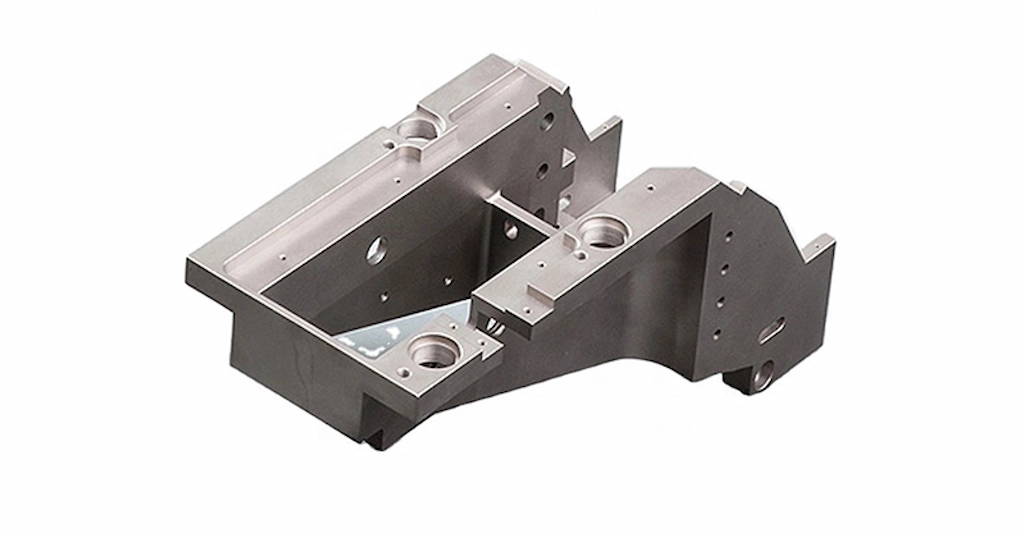
Zinc Machining: Alloys, Processes, and Applications
“Zinc has a relatively low hardness that reduces tool wear during machining and enhances the efficiency of production runs. These attributes contribute to zinc’s versatility in various manufacturing applications” Among v
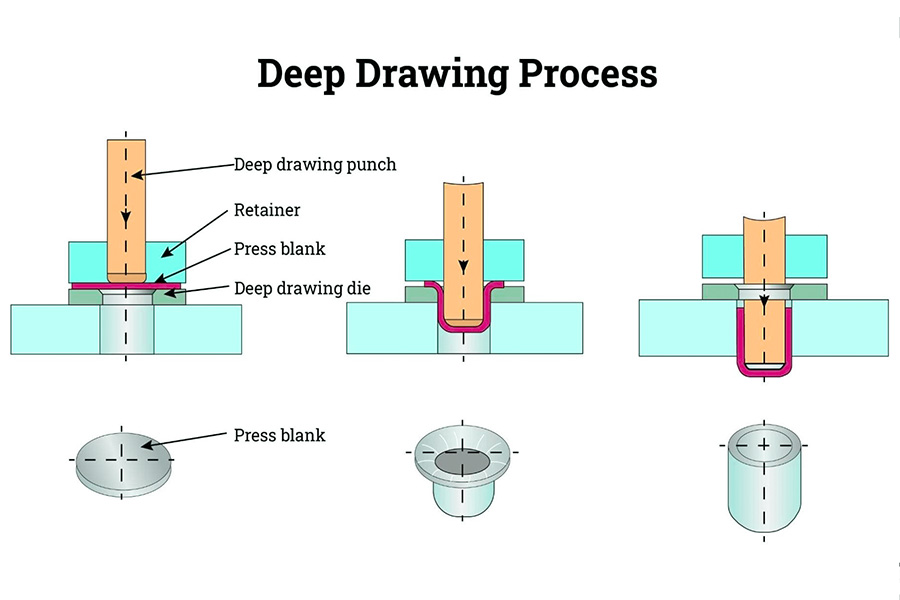
Sheet Metal Hydroforming: Process, Advantages, and Applications
Hydroforming Sheet Metal Fabrication The ability to produce lightweight, durable, and precise parts makes sheet metal forming one of the most important processes within the scope of contemporary manufacturing. The abilit

Thermoset vs. Thermoplastic: The Best Plastic for Your Project
Thermoset vs thermoplastic End-users and dealers often confuse thermoset vs. thermoplastic materials. Despite appearing similar, these plastics behave differently. The initial forming of a thermoset cannot be redone, but
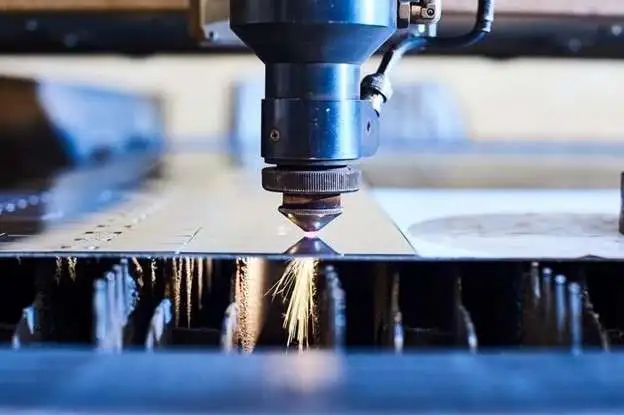
Common Defects in the Laser Cutting Process
Laser beam machining or laser cutting , a non-contact process that uses a laser to cut materials, is revered for its high precision and clean cuts. However, like any manufacturing process, it’s not immune to machining de
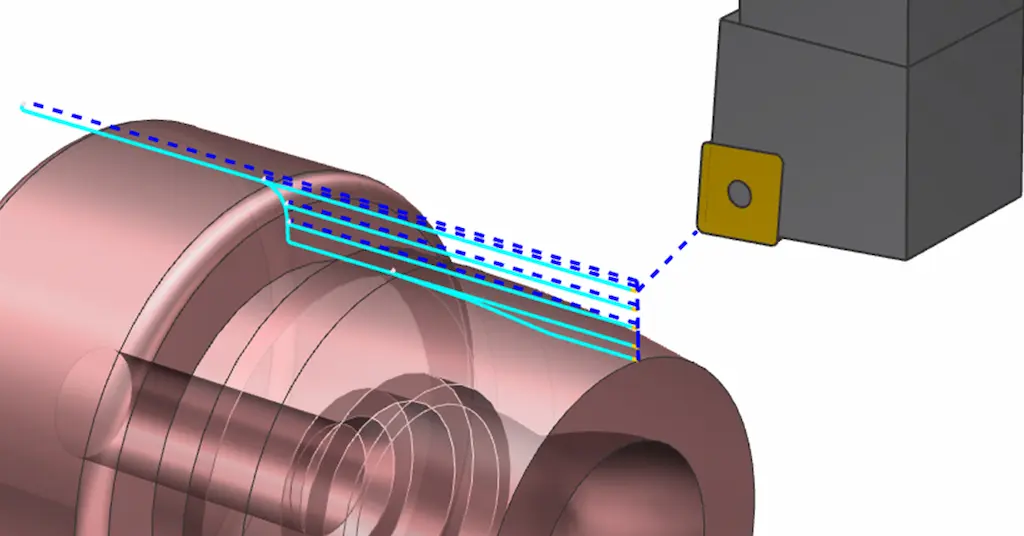
Grooving Machining: Process, Types, Applications, & More
“Grooving machining produces intricate geometrical features for the perfect fit of parts, combining accuracy with efficiency” First, what is a groove? It refers to a narrow and long cavity or recesses on the workpiece. G