
Corrosion Resistance Metals: Finding The Best One
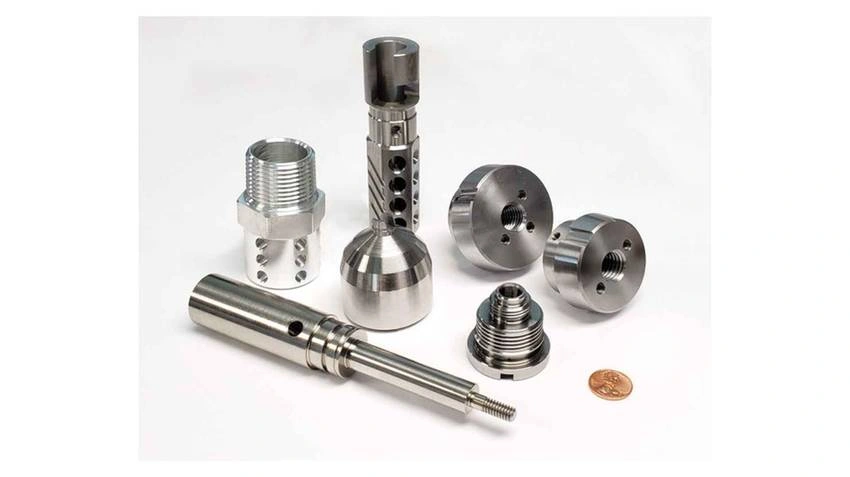
For engineering projects, corrosion-resistant metals are highly effective at preventing rust and degradation, helping engineers preserve the structural integrity of materials for long periods. These metals resist rust an
Aluminum Welding: Principle, Methods & Challenges
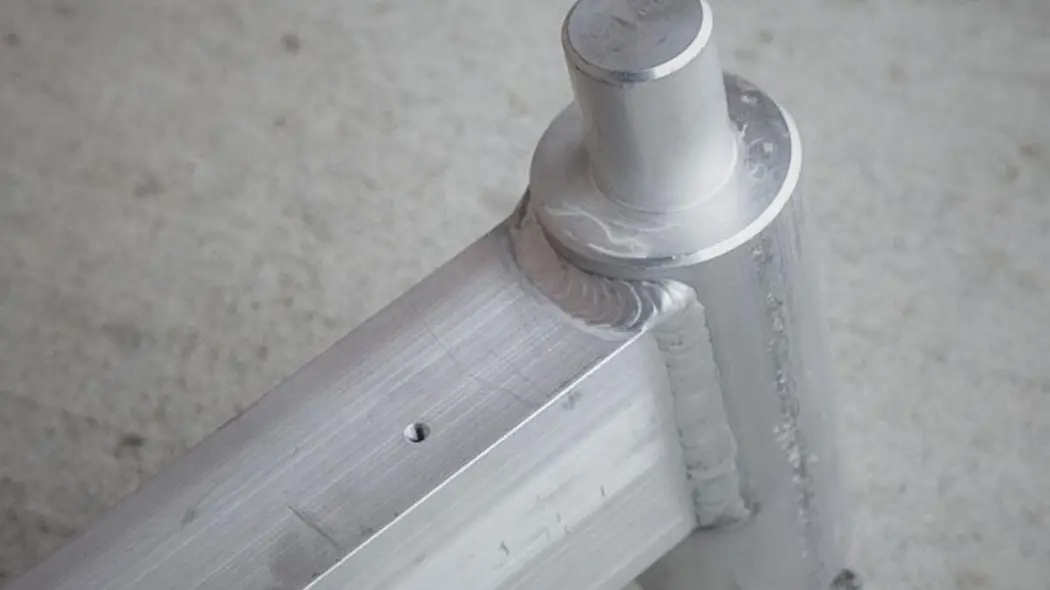
Aluminum Welding is an efficient technique to unite two aluminum parts together. Aluminum, being a softer metal, usually permits significant welding challenges. However, precise control and weld conditions allow manufact
Best Plastic for Machining: Material Selection Guide
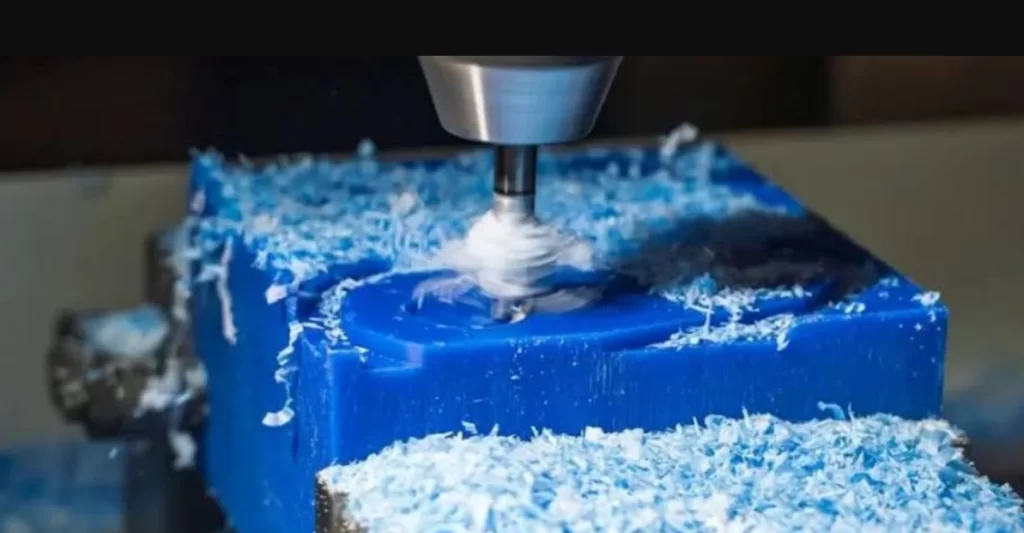
Best plastic for machining The best plastics for machining include ABS, nylon, Vespel®, acrylic, Polyethylene (PE), Polypropylene, polycarbonate, phenolic, and PTFE (Teflon). Others worth considering are Acetal (POM/Delr
Laser Engraving: Process, Types, Materials, and Uses
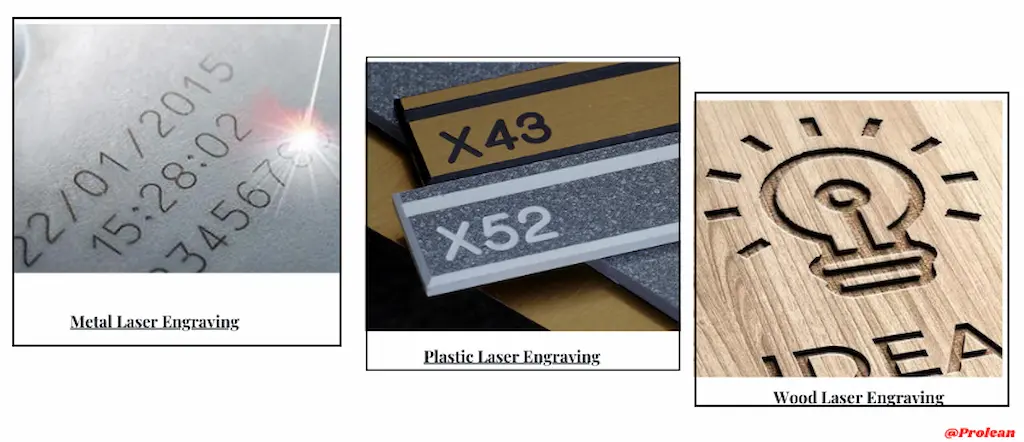
“Laser engraves logos, part numbers, or patterns on various materials while maintaining aesthetic appeal.” Engraving is the best method to create signs, logos, texts, patterns, and letters on the work surfaces. Different
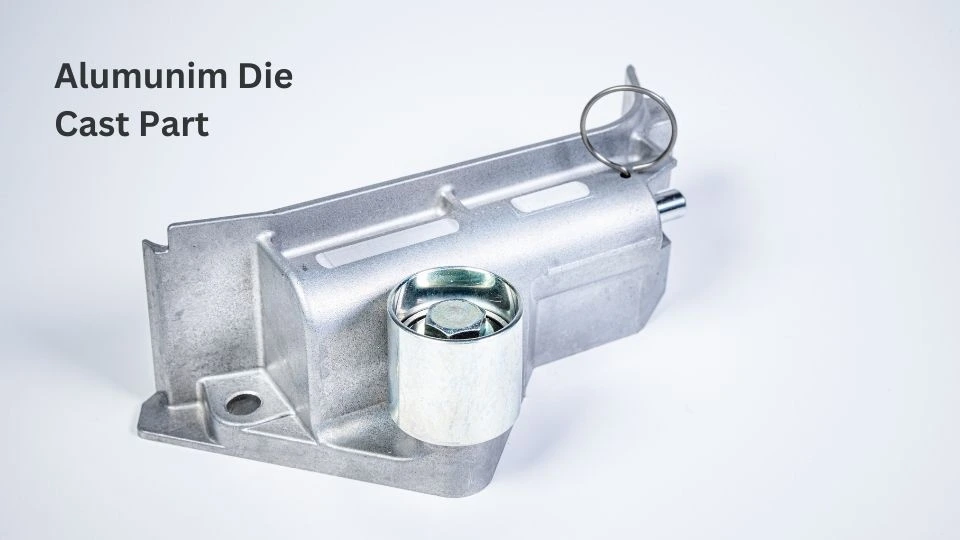
Zinc Alloy vs Aluminum: Which One To Choose For Casting Job
The die-casting process comprises molten metals that are forced into molds. The method is relatively fast in creating accurate and potent parts. It is used for intricate designs in different fields, such as fashion and t
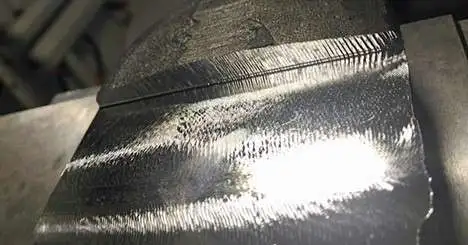
CNC Machining Defects: A Troubleshooting Guide (With Fixes)
A defect on CNC machined part. CNC machining defects are unwanted errors that compromise the quality of machined parts, often caused by factors like chip formation, chatter, chipping, excessive burrs, and built-up edges.
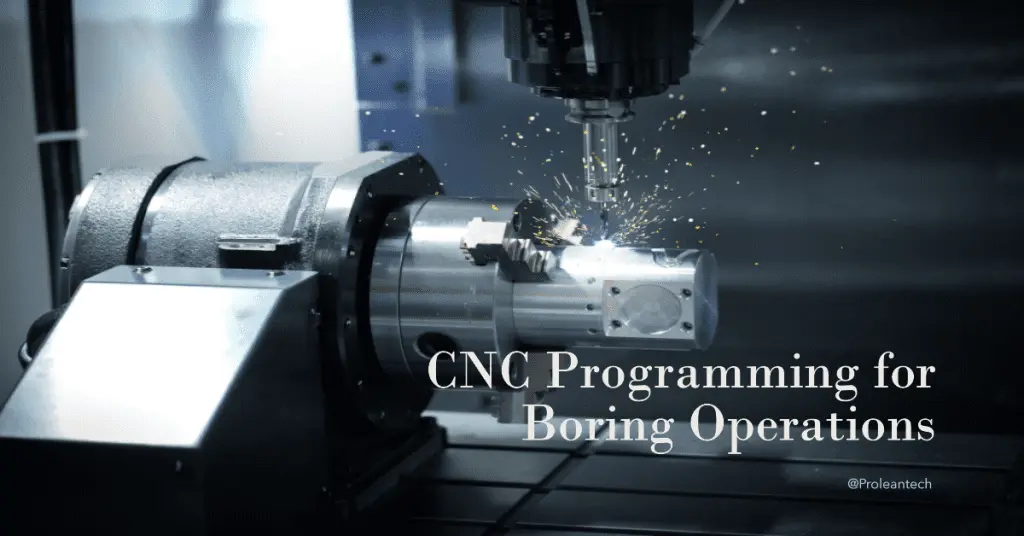
CNC Programming for Boring Operations: Unlocking the Full Potential of Your Machining Process
Programming for CNC boring operations is a critical skill for machinists, engineers, and technicians in the manufacturing industry. Understanding the concept of CNC programming used in boring operations can also help cus
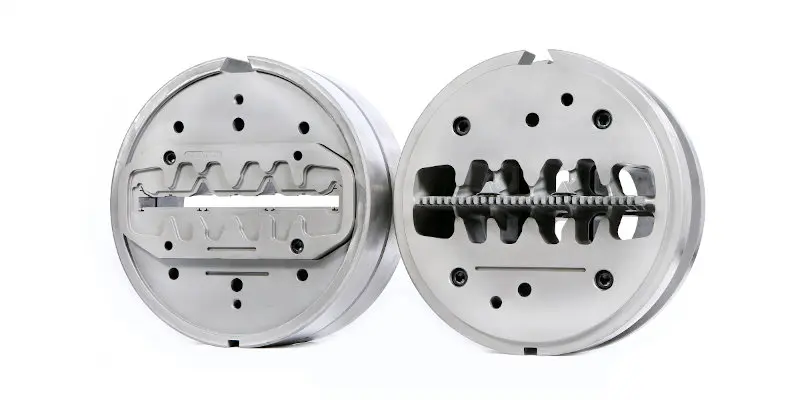
Comprehensive Guide to Aluminium Extrusion Dies
Aluminum extrusion is a widely used manufacturing process that involves shaping aluminum alloys into specific profiles by forcing them through a die. Aluminum extrusion dies play a crucial role in determining the shape,
HDPE vs PP: Which Thermoplastic Is Better for Parts?
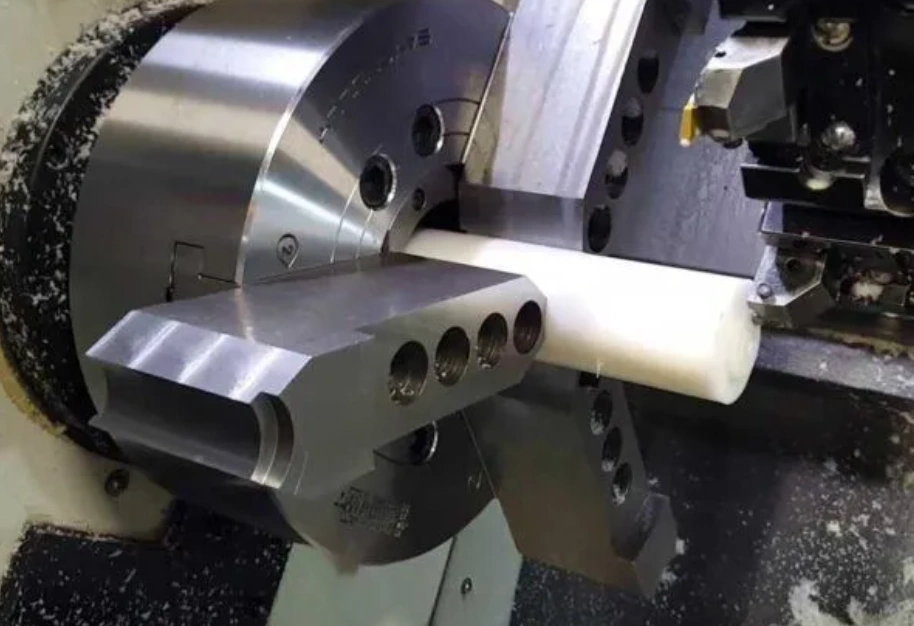
HDPE vs PP When it comes to materials that offer a balance of cost-effectiveness, durability, and versatility across key sectors, there are two big guns: HDPE (High-Density Polyethylene) and PP (Polypropylene). They are
Decoding the Mysteries of CNC Programming
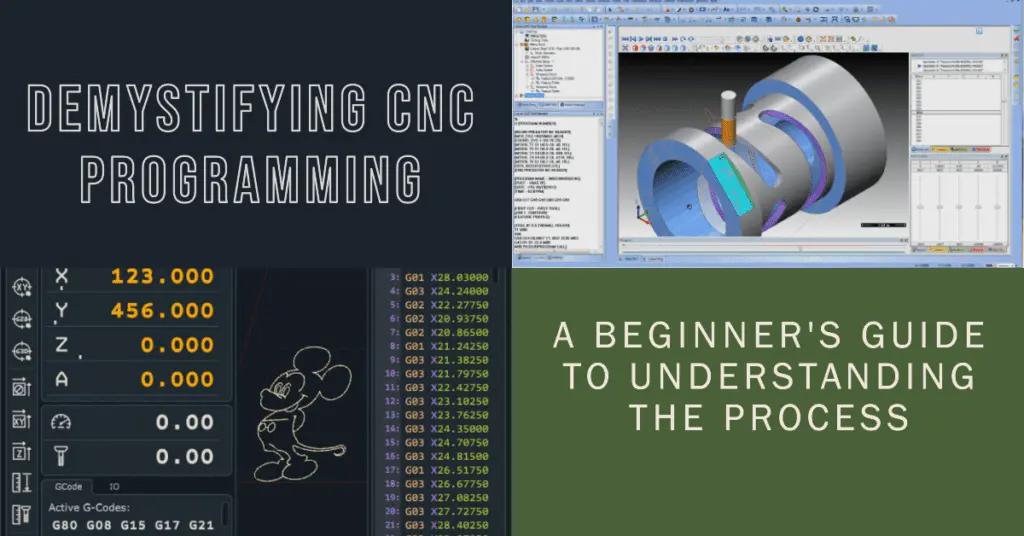
In today’s modern manufacturing era, CNC (Computer Numerical Control) programming stands as a cornerstone, bridging design intent with material reality. At the heart of countless products, from simple tools to complex ma
Aluminum vs Steel: What Are the Major Differences?
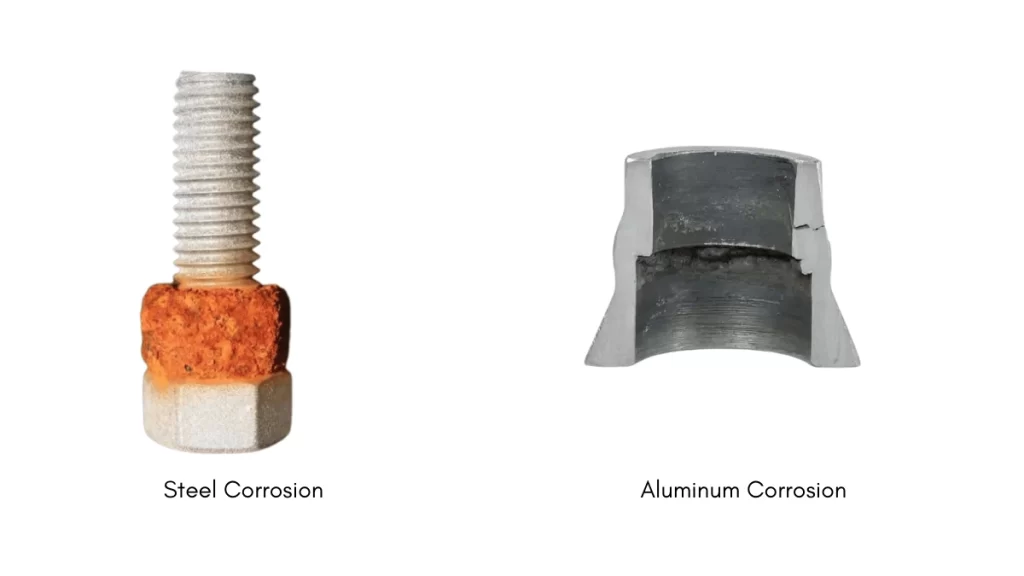
Aluminum vs steel Aluminum and steel are two major metals used in manufacturing to produce a wide variety of parts and products. Both are high-strength materials, but aluminum is significantly lighter than steel. They di
Parting Lines Injection Molding: Types, Locations, and DFM Tips
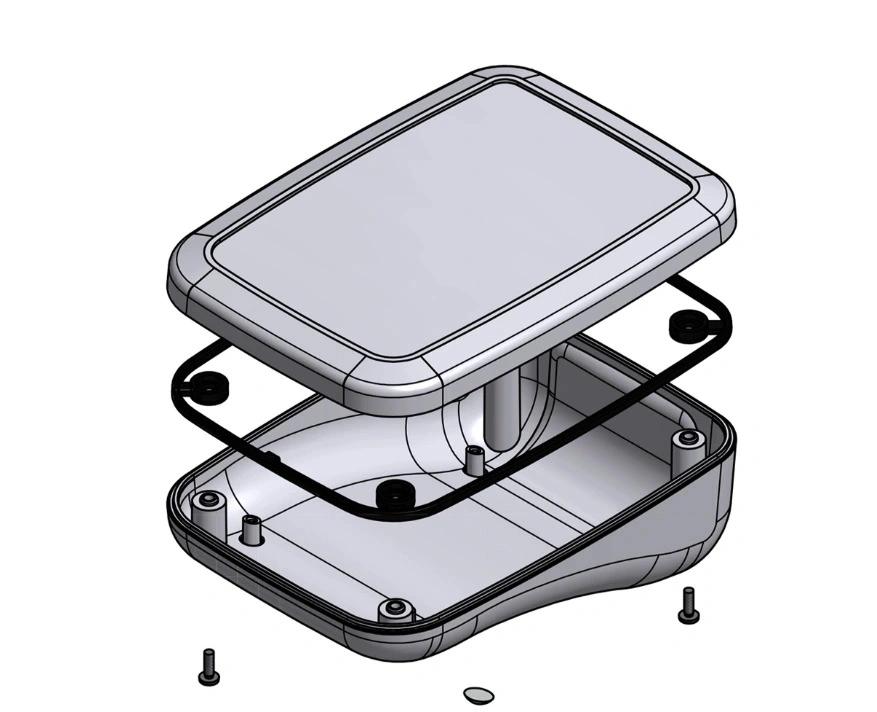
Parting lines injection molding A parting line is the line in injection molding where two mold halves meet. It is often seen on the surface of molded plastic parts. This line affects the part’s aesthetics and even its fu